Essential Information About Fire Systems
Fire detection and fire alarm systems are not designed to extinguish a fire; instead, they aim to provide early warning during a potential fire and ensure the safe evacuation of occupants. These systems detect the earliest signs of fire, enabling timely intervention.
What Are Fire Detection and Fire Alarm Systems?
Fire detection and fire alarm systems are not designed to extinguish a fire; instead, they aim to provide early warning during a potential fire and ensure the safe evacuation of occupants. These systems detect the earliest signs of fire, enabling timely intervention.
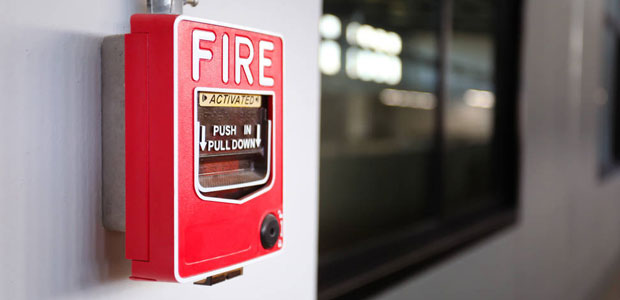
Through control panels, smoke detectors, heat detectors, flame detectors, manual call points, and alarm notification devices, the system automatically activates during a fire event. Early detection helps protect human life and minimizes potential property damage.
Fire detection and alarm systems are among the most critical solutions within electronic security systems. The ability to respond to fires occurring in buildings or workplaces without loss of life or property is a fundamental requirement. Therefore, fire alarm and detection systems must be designed and installed by qualified professionals using high-quality equipment.
How Do Fire Detection and Fire Alarm Systems Work?
The operating principle of fire alarm and detection systems is based on the rapid identification of early fire indicators. Smoke, heat, and flame detectors, along with manual call points, detect potential fire conditions and transmit this information to the central fire detection and alarm control panel.
Based on the data analyzed by the control panel:
-
Alarm notifications are activated
-
Relevant authorities are informed
-
Suppression and safety systems are alerted
-
Electrical and gas systems that may pose a risk during a fire are automatically shut down
In general, system operation is triggered by increased smoke density or abnormal rises in temperature levels. This early warning mechanism provides critical time for safe evacuation.
At the core of fire alarm systems, the fire control panel analyzes signals received from detection devices and activates warning equipment such as sirens and visual indicators.
Application Areas of Fire Detection and Fire Alarm Systems
Fire detection and alarm systems are generally classified into two main categories:
-
Conventional fire alarm systems
-
Analog addressable fire alarm systems
These system types differ in terms of functionality, application scope, and cost efficiency.
Conventional fire alarm systems detect potential fires within a defined area using a zonal detection approach. They are commonly preferred in small to medium-sized facilities. Fire detection is performed based on signals received from detectors connected within each zone.
These systems feature a simpler structure and are widely used due to their cost-effective nature. However, their sensitivity to temperature and air fluctuations may result in a higher likelihood of false alarms.
Analog addressable fire alarm systems enable point-based fire detection and are therefore preferred for high-rise and complex buildings.
In addressable systems, each detector is assigned to a loop circuit. Depending on the manufacturer, a specific number of addressable devices can be connected to a single loop. The system continuously monitors each detection element and transmits detailed environmental data to the control panel.
In the event of a fire or system fault, all loop-related information is transmitted to the control panel, triggering the appropriate alerts. Due to their ability to integrate with mechanical and automation systems, addressable fire alarm systems are widely used in large-scale and complex projects.