
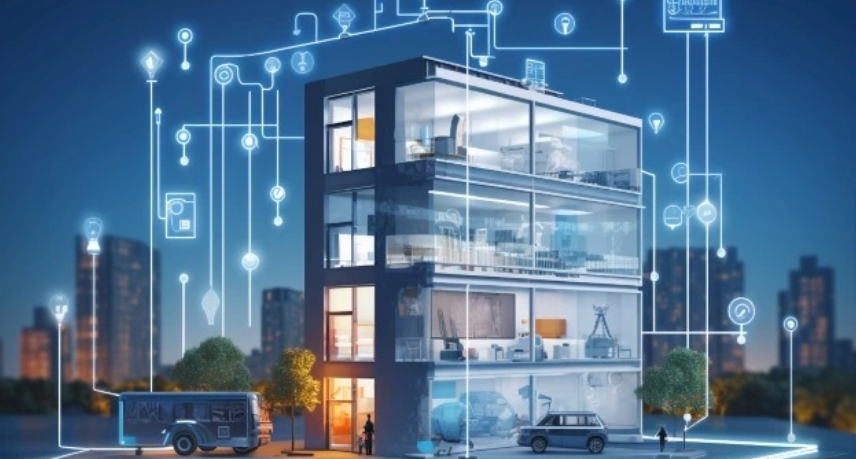
Smart Building and Building Management Systems
In today’s facilities, reducing operating costs, improving energy efficiency, and maximizing occupant comfort have become essential requirements. Digi Build Systems approaches building management systems with an end-to-end engineering perspective, covering analysis, system integration, installation, and ongoing maintenance.
From independent subsystems to fully integrated smart building infrastructures, Digi Build Systems delivers scalable solutions that enhance comfort for occupants, control for operators, and operational transparency for facility managers. All solutions are designed to ensure sustainable performance throughout the building lifecycle.
Smart Building and Building Management Systems Scope
-
Open protocol management: Brand-independent integration supporting major global industry standards
-
Energy management dashboards and automated control algorithms
-
Monitoring and reporting of electricity, steam, gas, fuel, and water consumption
-
HVAC (Heating, Ventilation, and Air Conditioning) control systems
-
Cloud-based monitoring, analytics, and advisory solutions
-
Direct support and integration for legacy systems to protect existing investments
This structure enables continuous performance monitoring, optimized energy consumption, and early detection of potential risks.
Simplify Your Facility Operations with Centralized Control
Traditional building management systems often rely on separate platforms for HVAC controls, energy metering, lighting, and mechanical systems. While functional on their own, these isolated systems create operational complexity and increase lifecycle costs.
Digi Build Systems consolidates all building subsystems into a single centralized management platform, delivering measurable operational advantages:
-
Real-time monitoring and automated control of all building operations
-
Seamless information sharing across departments
-
Increased productivity and operational efficiency
-
Faster response to incidents and system alerts
-
Reduced installation and total cost of ownership over the system lifecycle
The result is a safer, more efficient, and more sustainable building environment.